

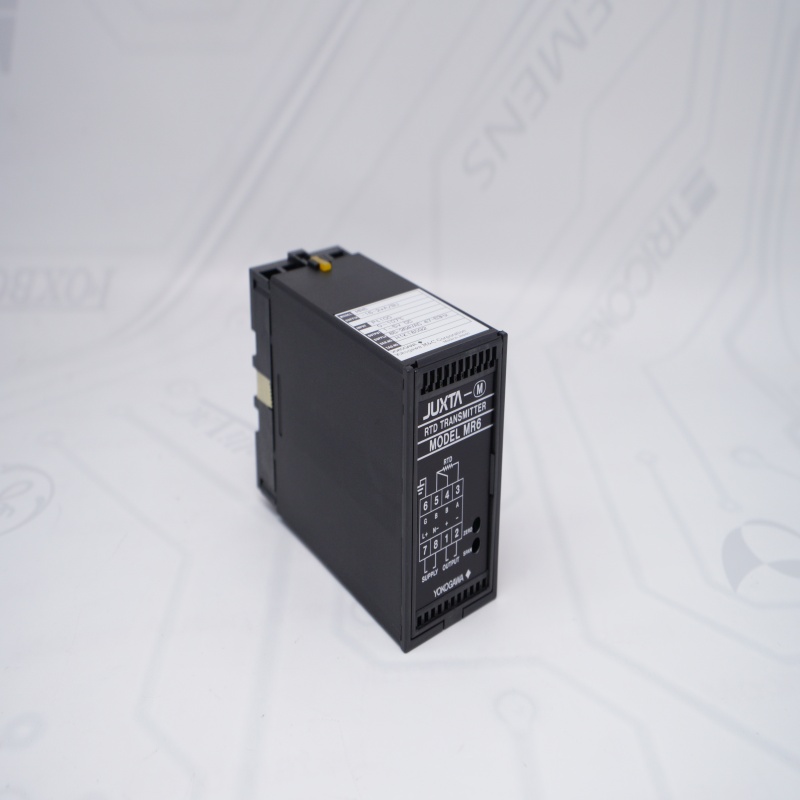
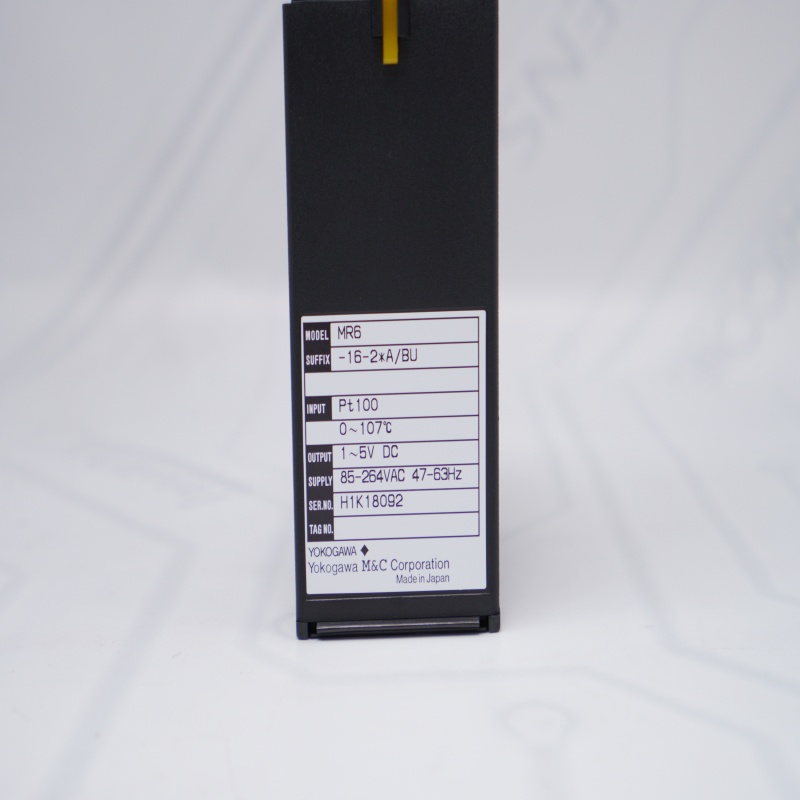
YOKOGAWA MR6-16-2*A/BU Specification
| Model Number | MR6-16-2*A/BU | Device Type | RTD (Resistance Temperature Detector) Signal Converter |
| Series | Yokogawa R Series | Input Signal | Pt100 RTD (3-wire type) |
| Standard Range | 0 to 250°C | Output Signal | 1 to 5 V DC |
| Accuracy | ±0.1% to ±0.2% of Span | Country of Origin | Japan |
| Withstanding Voltage | 1500 V AC for 1 minute (Input to System/Power) | Mounting | Plug-in type |
MR6-16-2*A/BU Features
High-Precision Signal Conversion
Converts 3-wire Pt100 RTD resistance signals into highly stable 1–5 V DC industrial signals with an accuracy of up to ±0.1%.Galvanic Isolation
Provides robust electrical insulation between the input (field), output (system), and power supply, protecting your DCS/PLC from ground loops and field interference.Built-in Burnout Protection
Equipped with a sensor-failure detection mechanism that automatically drives the output to a safe state (typically Upscale or Downscale) if the RTD sensor or wiring is broken.Plug-in Modular Design
The "R Series" form factor allows for quick hot-swapping and easy maintenance when installed in compatible Yokogawa I/O Nests (mounting bases).Industrial Durability
Designed for 24/7 continuous operation in harsh industrial environments, featuring high vibration resistance and a wide operating temperature range.Compact Footprint
Optimized for high-density installation in signal conditioning cabinets, maximizing space efficiency in control rooms.
If you want to more details about MR6-16-2*A/BU YOKOGAWA,please contact me without hesitate. Email:sales@sparecenter.com
MR6-16-2*A/BU Application
DCS/PLC Signal Conditioning
Used as an interface module to bridge field temperature sensors (Pt100) with Distributed Control Systems (DCS) like Yokogawa CENTUM VP/CS3000 or PLCs, ensuring signal compatibility and stability.Process Temperature Monitoring
Ideal for precise temperature tracking in heavy industries such as Oil & Gas, Petrochemicals, and Power Generation, where accurate RTD data is critical for process safety.Signal Isolation & Noise Mitigation
Applied in environments with high electromagnetic interference (EMI). It isolates field signals from the control room to prevent ground loops and protect sensitive logic controllers.Factory Automation (FA)
Integrated into automated production lines to monitor heat-sensitive equipment, such as ovens, reactors, and cooling systems, providing standardized 1–5V feedback for PID loops.High-Density Cabinet Integration
Used in centralized signal conditioning cabinets where multiple sensor inputs (RTDs, T/Cs, etc.) are consolidated into a standardized backplane (Nest) for efficient wiring management.Safety Instrumented Systems (SIS)
Employed in safety loops where the "Burnout" feature is required to detect sensor failures immediately and trigger emergency shutdowns or alarms.
MR6-16-2*A/BU RTD Transmitter Images
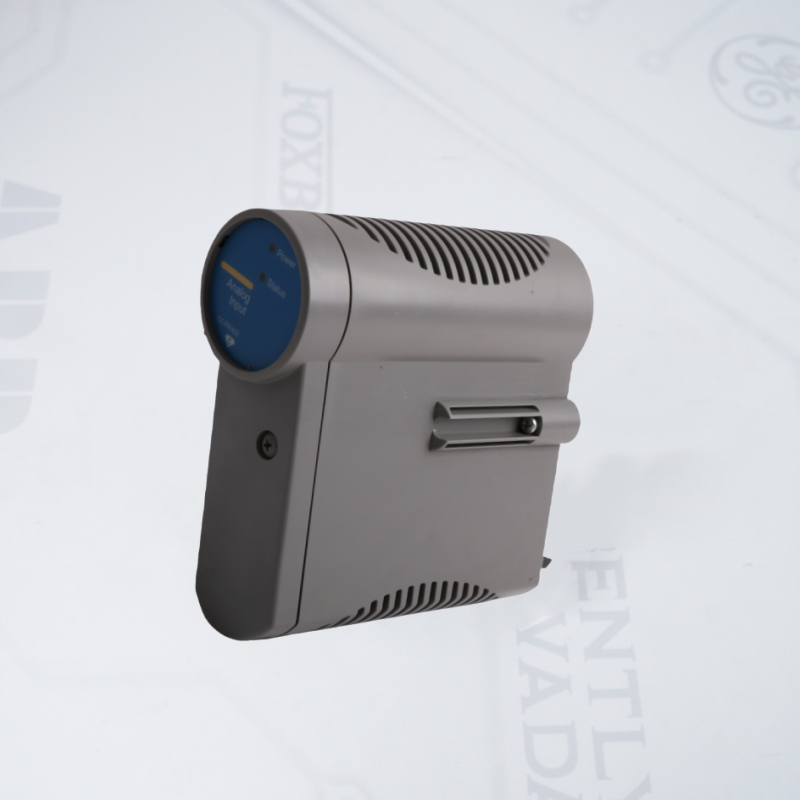
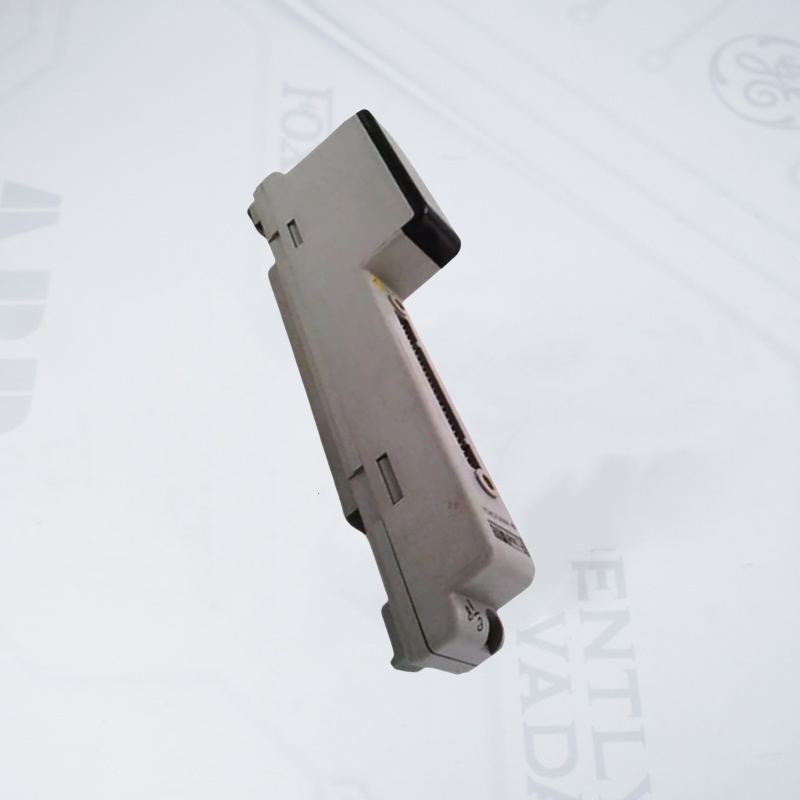
MR6-16-2*A/BU RTD Transmitter
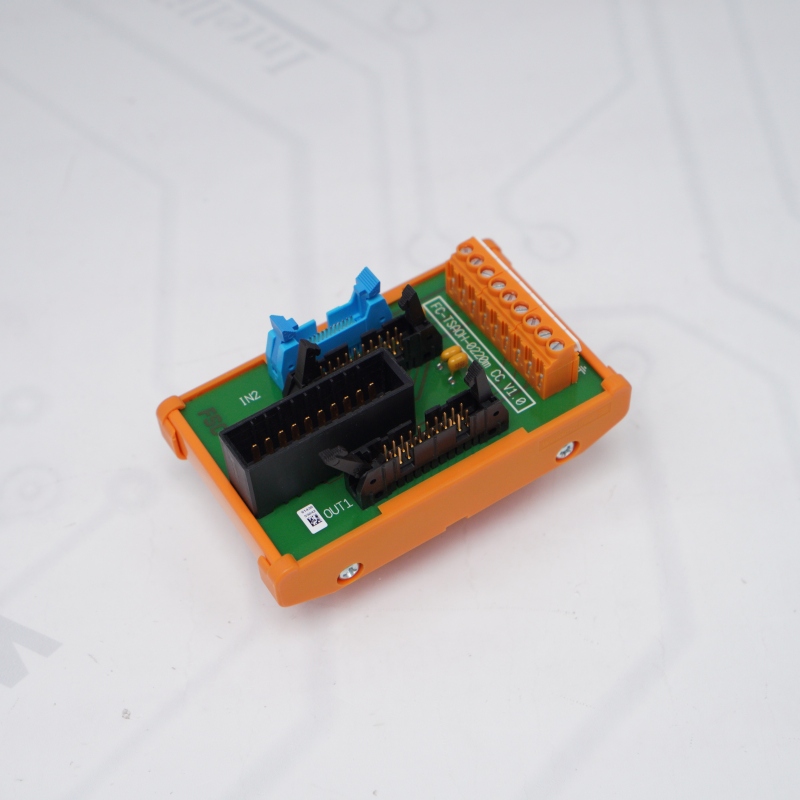
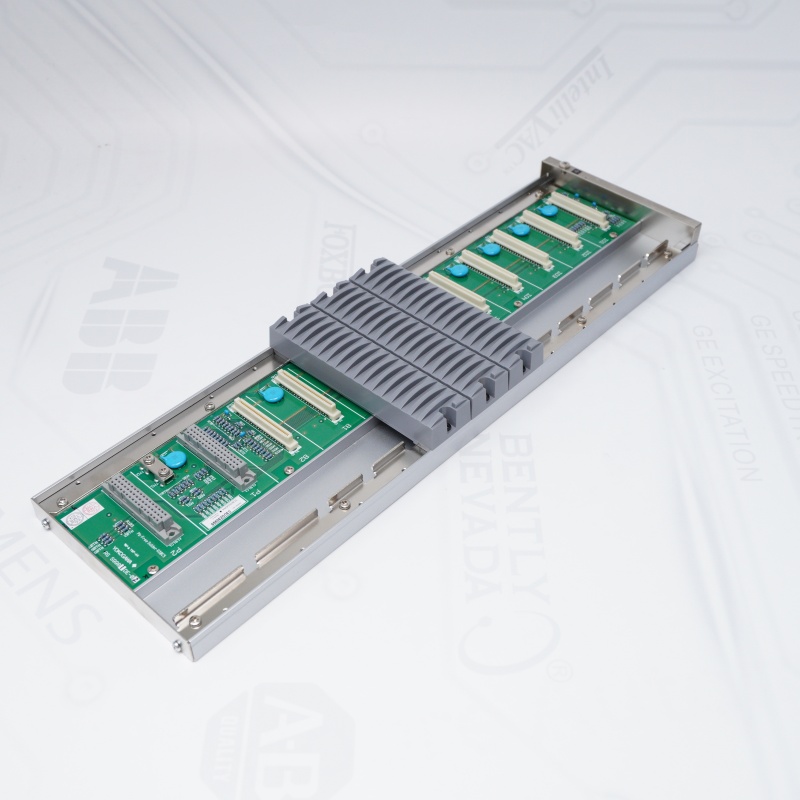
MR6-16-2*A/BU RTD Transmitter
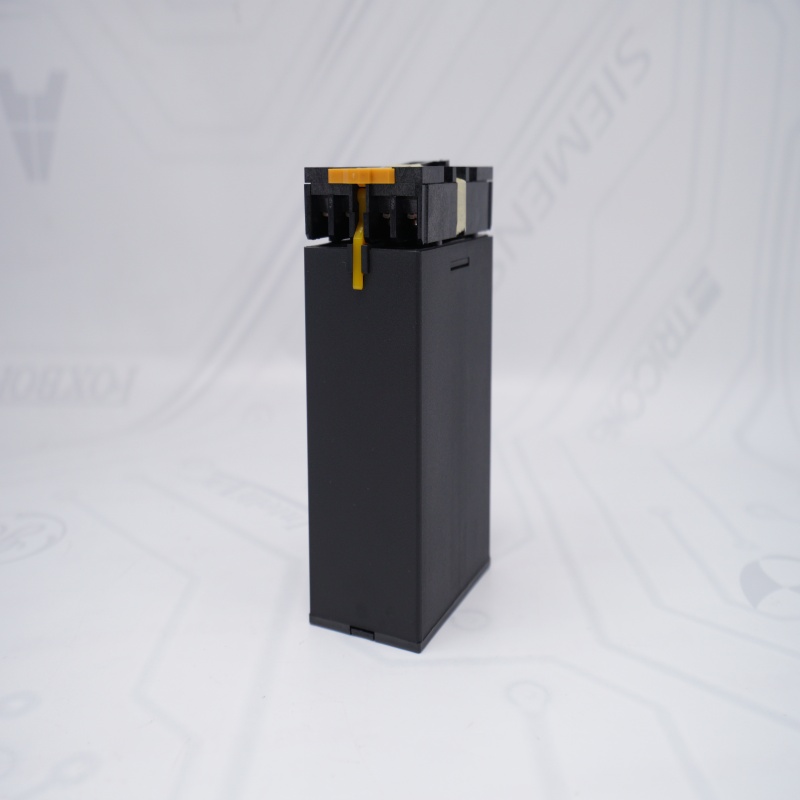
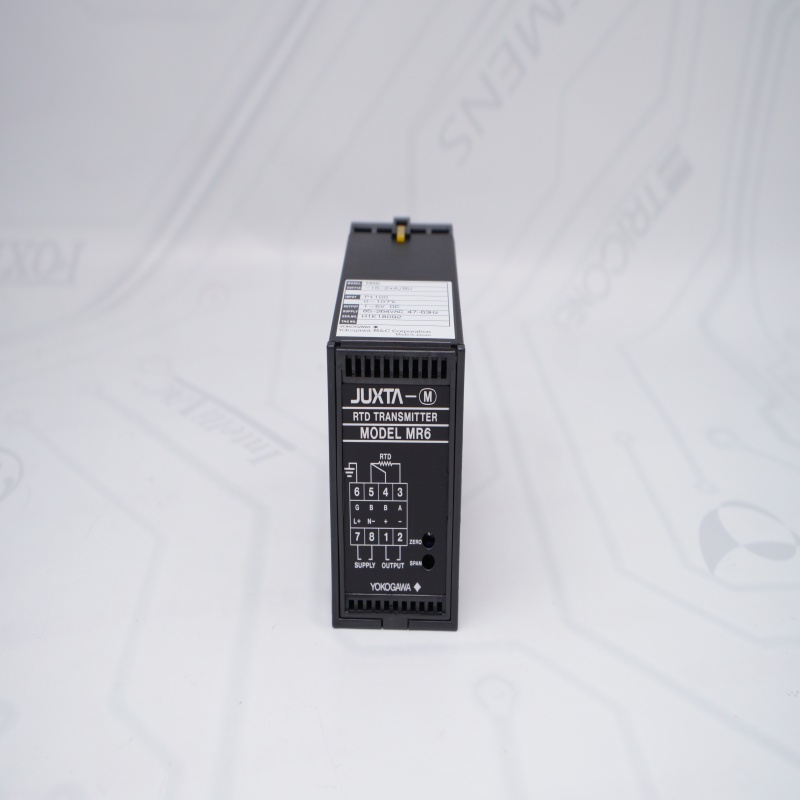
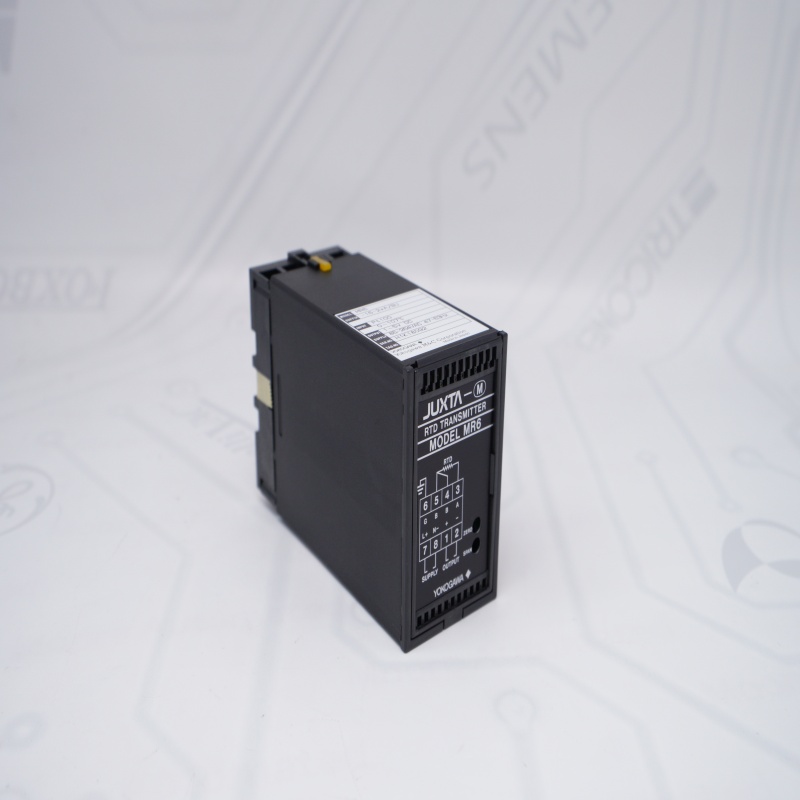
MR6-16-2*A/BU RTD Transmitter
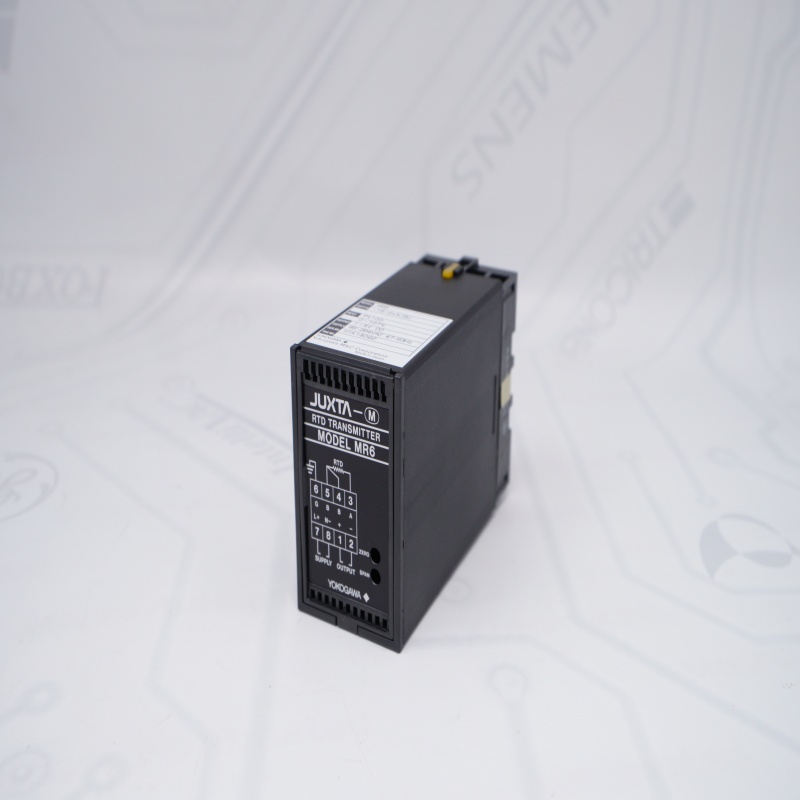
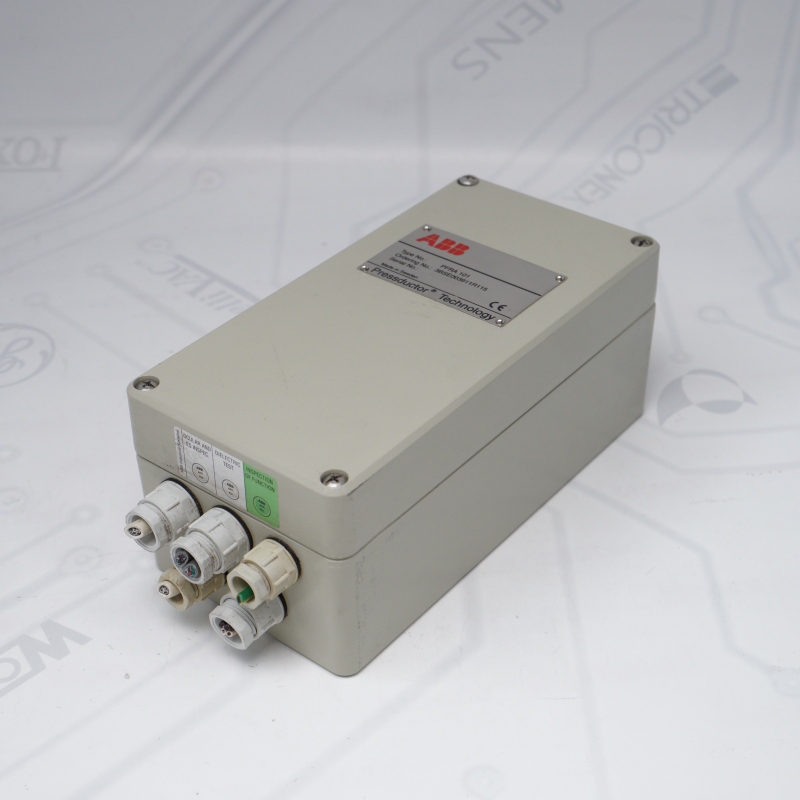
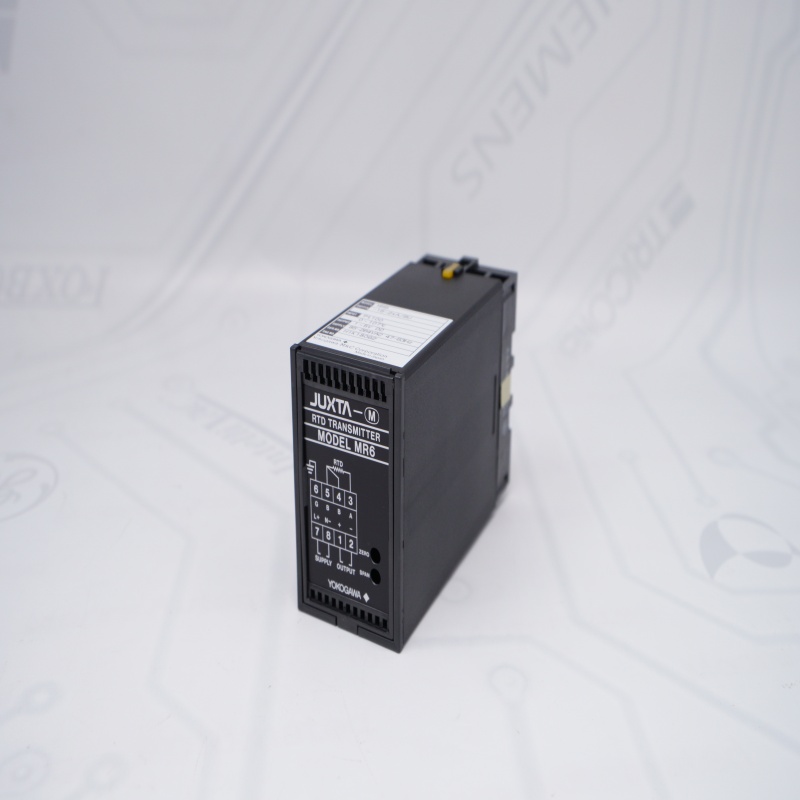
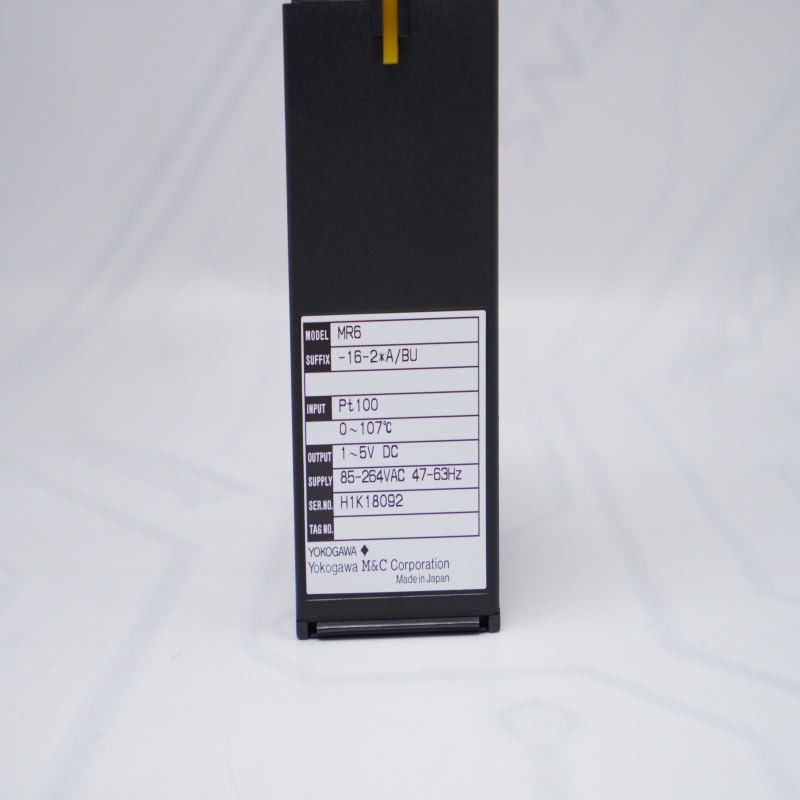
MR6-16-2*A/BU RTD Transmitter
MR6-16-2*A/BU YOKOGAWA FAQ
- 1. Q: What is the primary function of the MR6-16-2*A/BU module in an industrial control system?
A: The MR6-16-2*A/BU serves as a high-precision RTD transmitter that converts resistance signals from a 3-wire Pt100 sensor into a standardized 1–5 V DC output, providing essential signal conditioning and galvanic isolation for DCS or PLC inputs. - 2. Q: Does the MR6-16-2*A/BU support hot-swapping during system operation?
A: Yes, the MR6-16-2*A/BU features a plug-in modular design compatible with R-series nests, allowing the MR6-16-2*A/BU to be replaced or maintained without disconnecting field wiring, provided the specific system safety protocols are followed. - 3. Q: How does the MR6-16-2*A/BU handle a sensor failure or broken wire?
A: The MR6-16-2*A/BU is equipped with a built-in burnout function; in the event of an RTD sensor breakage, the MR6-16-2*A/BU will automatically drive the output signal to a predetermined limit (typically upscale) to alert the control system. - 4. Q: What is the standard measurement range for the MR6-16-2*A/BU transmitter?
A: While the MR6-16-2*A/BU is most commonly configured for a range of 0 to 250°C, the specific scaling of the MR6-16-2*A/BU is determined by factory calibration; users should verify the side label of the unit for exact parameters. - 5. Q: Is the MR6-16-2*A/BU compatible with 2-wire or 4-wire RTD sensors?
A: The MR6-16-2*A/BU is specifically optimized for 3-wire Pt100 RTDs to compensate for lead-wire resistance; although 2-wire sensors can be adapted, 3-wire remains the recommended configuration for the MR6-16-2*A/BU to maintain precision. - 6. Q: What are the power supply requirements for the MR6-16-2*A/BU?
A: The MR6-16-2*A/BU typically operates on a 24 V DC power supply, which is usually distributed to the MR6-16-2*A/BU through the backplane of the mounting nest rather than via direct external wiring to the module face. - 7. Q: What level of electrical isolation does the MR6-16-2*A/BU provide?
A: The MR6-16-2*A/BU offers robust galvanic isolation between the input, output, and power circuits, with the MR6-16-2*A/BU featuring a withstanding voltage rating of 1500 V AC for one minute to prevent ground loops. - 8. Q: Can the MR6-16-2*A/BU be used in high-vibration environments?
A: Yes, the MR6-16-2*A/BU is engineered for industrial durability; its secure plug-in mechanism and solid-state internal components allow the MR6-16-2*A/BU to perform reliably in demanding plant conditions where vibration is present.
Other Module
| 0950-3017 PS605-0101 | YHC4150X-01 YHC4150X |
| AAI141-S00 S2 | AIP827-2 S1 |
| AAI543-S00 S1 | ADV159-P00 |
| AMM12T S2 | 16418-541/1 A5E00282061/06 PSCCM24AAN |
| CP345 S1 | SDV144-S53 SDV144-S53 S4 |
| ADV151-P00 S2 | AAI135-H00 S1 |
| ADV151-P00 S2 ATD5A-00 | AAI135-H03 S1 |
| PW482-10 S2 | AAI141-H00 S1 |
| AAI143-H00 S1 | AAI141-H03 S1 |
| PSCCM24AAN | AAI835-H00 S1 |
| AAT141-S00 | AAI835-H03 S1 |
| AAP135-S00 S2 | AAI841-H03 S1 |
| AAR181-S00 S2 | ADR541-P10 S1 |
| AAB841-S00 | ADR541-P11 S1 |
| AAI841-H00 S1 | ADR541-S00 S1 |

Contact Us
Email: sales@sparecenter.com