

About Author
Written by Tina Jiang , Director of Spare Center
Tina Jiang has accumulated several years of experience in industrial sales and technical support, with a strong focus on automation systems and machine condition monitoring. In her daily work, she communicates closely with customers, prepares quotations, and recommends appropriate solutions for industrial control and monitoring needs.
She also assists clients in sourcing replacement components, including hard-to-find or discontinued parts. Additionally, she coordinates with engineering teams and suppliers to ensure smooth project progress—helping maintain timely deliveries and competitive pricing so customers can minimize equipment downtime and keep operations running efficiently.
Introduction
A legacy PLC programming cable like the Allen Bradley 1784-CP communication cable is still widely used in industrial automation systems because many factories continue operating PLC-5 and SLC 500 systems that are too costly to replace. The 1784-CP Allen Bradley communication cable remains a critical tool in these environments where legacy systems are still running production.
In simple terms: AB 1784-CP communication cable is a legacy PLC programming cable used to connect engineering laptops to Allen-Bradley PLC systems for configuration, diagnostics, and maintenance. The 1784-CP Allen Bradley communication cable acts as the interface bridge between field engineering devices and older control systems. It is still actively used in OEM spare parts markets, retrofit projects, and factory maintenance environments where downtime is expensive and system upgrades are risky, especially for Allen Bradley 1784-CP communication cable applications in legacy automation setups. Here’s the thing. Most communication issues people blame on the cable are actually caused by driver configuration, grounding noise, or PLC-side setup mistakes rather than the 1784-CP communication cable itself.
We’ve seen this pattern repeatedly in real factory environments across Southeast Asia manufacturing plants using Allen Bradley 1784-CP systems.
Common Customer Concerns about Allen Bradley 1784-CP
Q1: Allen Bradley 1784-CP compatible with which PLC models?A: In real-world applications, the 1784-CP Allen Bradley communication cable is mainly used with older but still widely running systems like PLC-5 and SLC 500. On paper, compatibility might look straightforward, but in actual factory environments, things are rarely that clean. What matters more is not just the PLC model itself, but the communication architecture behind it, especially when using the Allen Bradley 1784-CP communication cable in different legacy setups. Even two PLC-5 systems can behave differently depending on the communication module or network configuration. In retrofit or maintenance projects where the 1784-CP communication cable is used, we often see cases where the hardware model is correct, but the communication path is different, which leads to connection failures at the beginning. So instead of thinking in terms of a fixed “supported PLC list,” it’s more accurate to understand it as a system-level compatibility issue involving the 1784-CP Allen Bradley cable and the overall communication environment. |
Q2: How to connect or troubleshoot Allen Bradley 1784-CP?A: This is one of those questions where the theory is simple, but the field experience is not. Most engineers assume the Allen Bradley 1784-CP communication cable works like a plug-and-play device, but in reality, the 1784-CP communication cable is very sensitive to driver setup and system configuration. The usual process starts with installing the correct Rockwell communication driver, such as RSLinx, then manually assigning the COM port and selecting the proper protocol depending on the 1784-CP Allen Bradley setup and PLC type. Where things usually go wrong is after the connection step. In real factory environments using the Allen Bradley 1784-CP communication cable, electromagnetic interference from motors, drives, and heavy electrical equipment can easily destabilize the signal. Another very common issue is incorrect COM port mapping, especially when using USB-to-serial adapters with legacy 1784-CP communication cable systems. The system may show the device as connected, but no actual communication is happening in the background. So when a 1784-CP Allen Bradley cable “does not work,” in most cases the cable is not the real problem — it’s the configuration or the electrical environment around it. |
Product Core Parameters about 1784-CP
The Allen Bradley 1784-CP specification reflects a classic industrial-grade communication design built for legacy automation environments. The 1784-CP Allen Bradley communication cable is specifically engineered for stable performance in PLC-5 and SLC 500 legacy systems, where signal reliability is critical.
Core Technical Parameters of the 1784-CP communication cable:
Product type: PLC programming / communication cable (Allen Bradley 1784-CP communication cable)
Signal standard: RS-232 / legacy industrial protocol bridge
Application systems: PLC-5 / SLC 500 architectures using 1784-CP Allen Bradley cable setups
Shielding structure: multi-layer EMI braided shielding for Allen Bradley 1784-CP communication cable stability
Operating temperature: 0°C to 60°C industrial environment
Connector durability: industrial-grade injection molding for long-term 1784-CP communication cable use
Usage scenario: programming, debugging, firmware access via Allen Bradley communication cable systems
Core Engineering Features of the 1784-CP Allen Bradley communication cable:
Industrial EMI Resistance Design
Factories are noisy environments. Motors, inverters, and relays generate interference constantly, especially in systems using Allen Bradley 1784-CP communication cable connections. The shielding structure inside the 1784-CP Allen Bradley communication cable is designed to reduce signal distortion and maintain stable transmission in industrial environments where electrical noise is unavoidable.
Stable Signal Transmission for Legacy PLCs
Older PLC systems are extremely sensitive to signal fluctuation, particularly when using 1784-CP communication cable in long routing or multi-panel installations. Even small impedance mismatch or grounding instability can cause communication dropouts in Allen Bradley 1784-CP systems, which is why proper installation matters as much as the cable itself.OEM-Level Mechanical Durability
In real factory environments, cables are constantly pulled, bent, and rerouted during maintenance work. That’s why the durability of the 1784-CP Allen Bradley communication cable becomes critical in long-term OEM and retrofit projects. Connector strength and strain relief design often determine whether an Allen Bradley communication cable can survive years of field operation.Compatible Ecosystem Support(Works with:)
Allen Bradley programming cable systems
1747-CP3
1784-U2DHP USB communication adapters
Legacy 1784-CP Allen Bradley communication cable infrastructures
Real Engineering Insight:
What many buyers overlook is this:
Cable failure is rarely electrical. It is usually mechanical fatigue or shielding breakdown, especially in long-term Allen Bradley 1784-CP communication cable deployments. In one OEM packaging factory case, repeated PLC disconnection was traced back to cable bending near a metal cabinet edge. The copper core was intact—but the shielding layer of the 1784-CP communication cable had fractured, causing intermittent signal loss.
Real Industrial Use Cases About Allen Bradley 1784-CP
| Case | Industrial Scenario | Initial Misdiagnosis | Actual Root Cause | Symptoms Observed | Final Fix / Outcome |
|---|---|---|---|---|---|
| Case 1 | Food processing line (frozen food plant) | PLC CPU failure / software corruption / network module fault | 1784-CP cable degradation causing EMI shielding failure | Intermittent PLC communication loss, unstable system behavior | Replaced cable (<$100), restored stable communication and avoided tens of thousands in downtime loss |
| Case 2 | Injection molding machine retrofit project | Belief that USB adapter + modern setup was sufficient | Incompatible communication setup replacing native 1784-CP architecture | Unstable download, random PLC disconnections, firmware upload failures | Restored original 1784-CP communication architecture + correct driver stack, system stabilized |
| Case 3 | Textile factory maintenance case | PLC hardware failure (replaced twice) | COM port conflict in Windows driver mapping | Repeated communication failure despite hardware replacement | Fixed COM port and driver configuration issue, no hardware replacement needed |
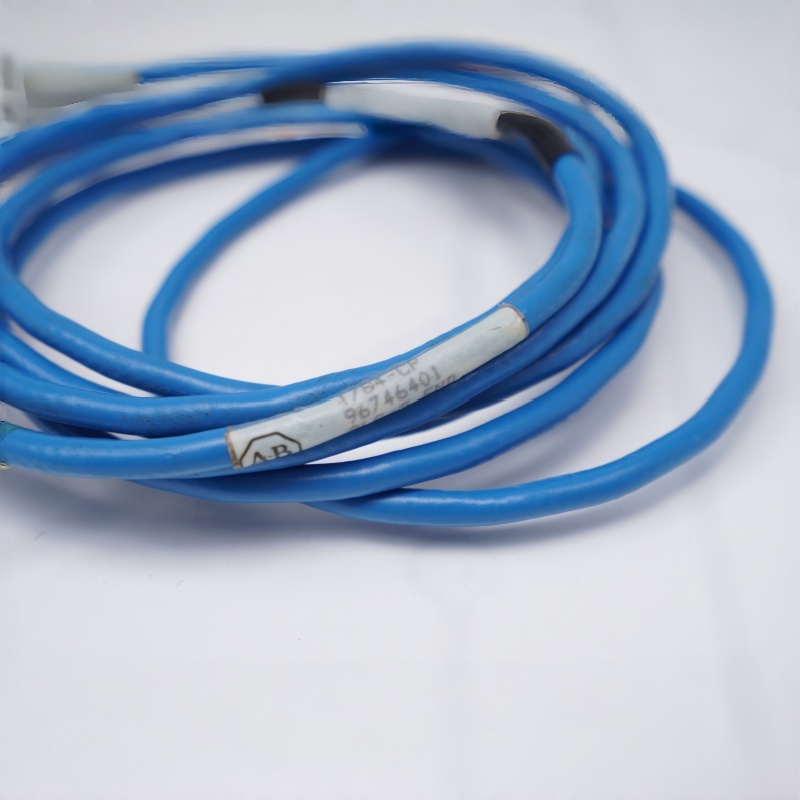
Allen Bradley 1784-CP
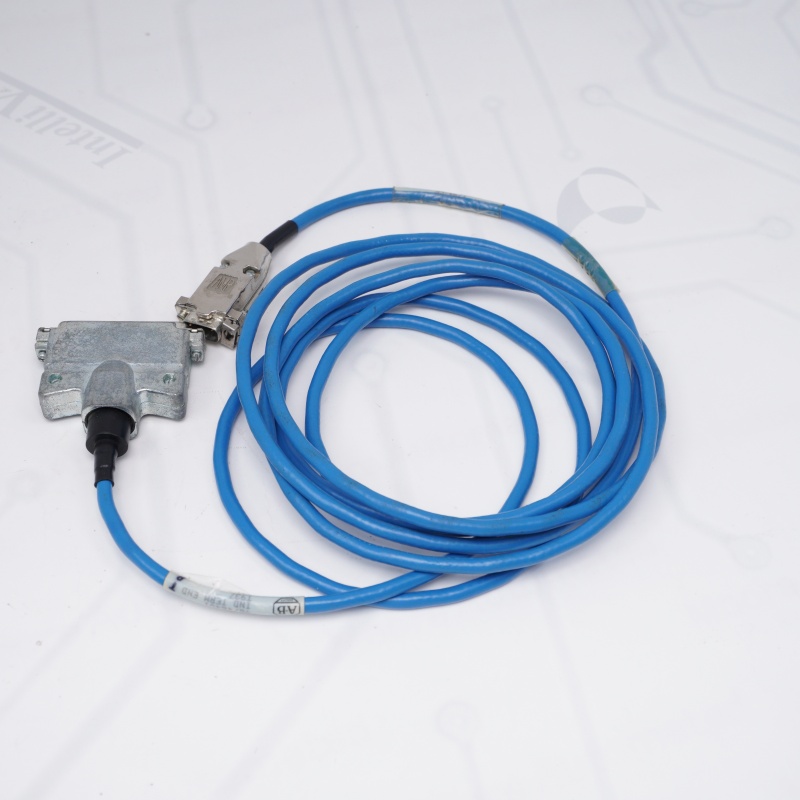
Allen Bradley 1784-CP
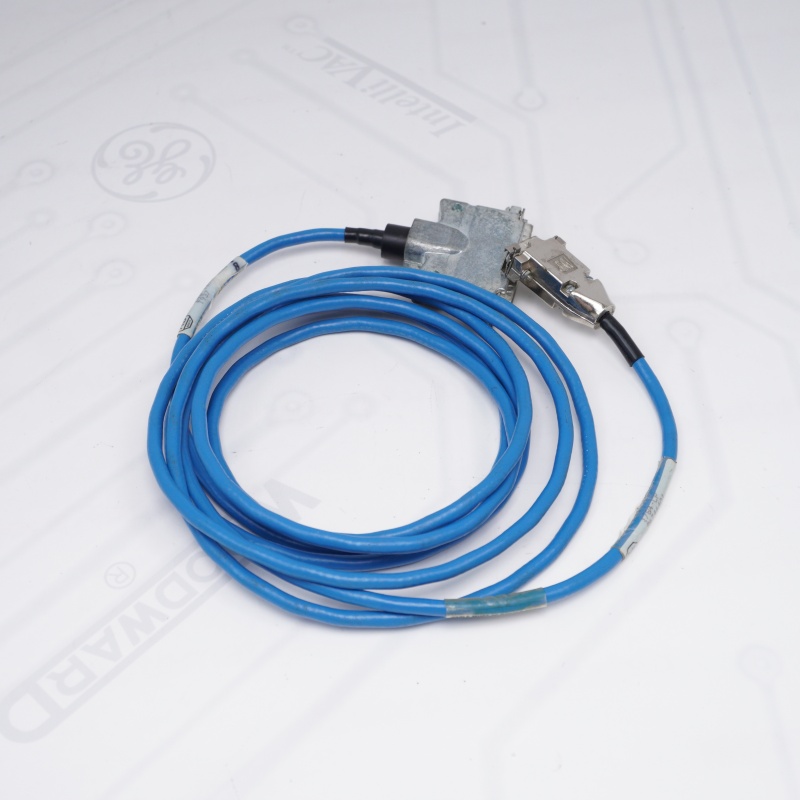
Allen Bradley 1784-CP
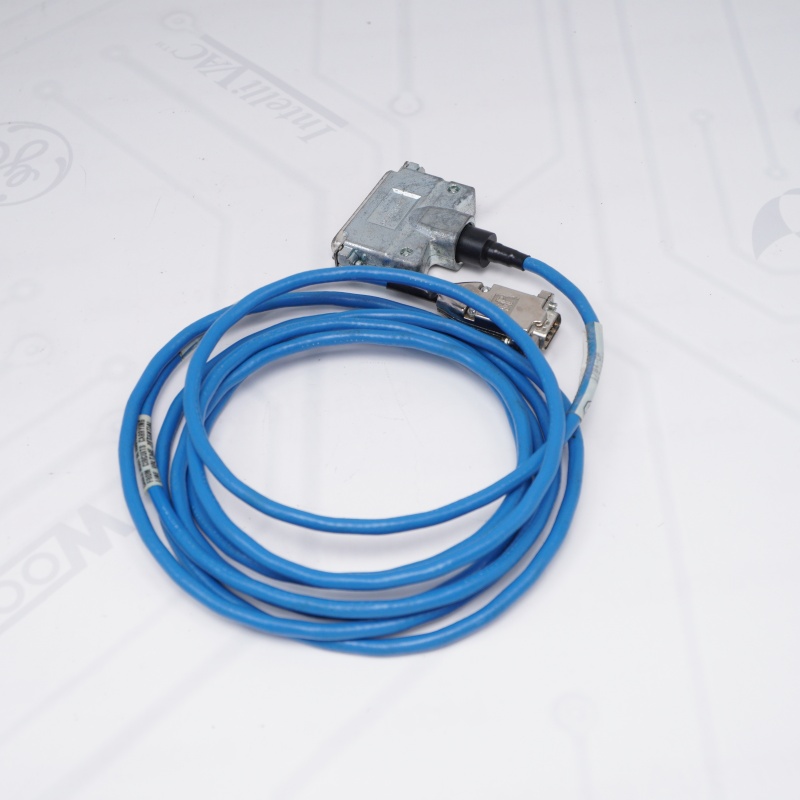
Allen Bradley 1784-CP
FAQ–1784-CP(1784-CP Allen Bradley)
Q: What is Allen Bradley 1784-CP used for?
A: It is used for PLC programming, system diagnostics, and communication between engineering tools and Allen-Bradley legacy PLC systems.
Q: Why is my 1784-CP(1784-CP Allen Bradley) not working?
A: Common reasons include driver mismatch, wrong COM port configuration, or EMI interference in industrial environments.
Q: What PLC systems support 1784-CP(1784-CP Allen Bradley)?
A: Mainly PLC-5 and SLC 500 systems depending on configuration and communication module.
Q: Is 1784-CP(1784-CP Allen Bradley) still available in the market?
A: Yes, it is still available, but mainly through specialized industrial spare parts channels since it is a legacy product with limited mainstream distribution. For stable sourcing, you can directly contact Spare Center, especially when you need verified specifications or OEM-compatible replacements for Allen-Bradley systems.
Q: What is the difference between 1747-CP3 and 1784-CP?
A: 1747-CP3 is more SLC 500 focused, while 1784-CP is used in broader legacy PLC-5 environments.
Q: Can I replace 1784-CP (1784-CP Allen Bradley)with USB adapter?
A: Yes, using 1784-U2DHP, but compatibility depends on driver and system architecture.
Q: What is Allen Bradley 1784-CP specification?
A: It includes RS-232 communication support, industrial shielding, and compatibility with legacy Rockwell PLC systems.
Your Trusted Partner for Rare and Obsolete Components: Spare Center
In the industrial spare parts market, consistency matters more than branding. Many buyers don’t realize that sourcing industrial cables is not just procurement—it is engineering validation.
At Spare Center, the focus is on:
1. OEM/ODM Manufacturing Understanding
We understand how industrial cables are actually built:
Shielding layer structure
Connector molding quality
Copper conductor grading
Industrial durability testing
2. Industrial Packaging Engineering
Packaging is not just “box design”.
For export-grade components:
Anti-static protection
Moisture resistance
Shock-proof layering
These details directly affect field performance.
3. Legacy System Compatibility Focus
We specialize in supporting:
Allen-Bradley legacy communication systems
PLC maintenance environments
Retrofit automation projects
4. Real Field Experience Insight
We don’t just sell parts—we understand failure modes:
EMI noise issues in factory floors
Misconfigured PLC drivers
Cable fatigue from mechanical stress
This is why engineers trust suppliers who understand systems, not just products.
Top-ranked Models
| 1785-L60B | 1747-ACN15 |
| 1756-CN2 | 1747-L531 |
| 1746-IB32 | 1747-SCNR |
| 1756-IF16 | 1756-CNB |
| 1747-BA | 1756-CNBR |
| 1771-OBD | 1756-DNB |
| 1203-GD1 | 1756-EN2F |
| 1746-HT | 1756-EN2TR |
| 1746-IB16 | 1756-IT6I2 |
| 1746-IH16 | 1756-IV16 |
| 1746-IO8 | 1756-L55M12 |
| 1746-IV16 | 1756-L55M13 |
| 1746-NI8 | 1756-L61S |
| 1746-NIO4I | 1756-L63 |
| 1746-OB32 | 1756-L63XT |
If you want to more details,please contact me without hesitate. Email:sales@sparecenter.com
#Steam Turbine Spare Parts#