

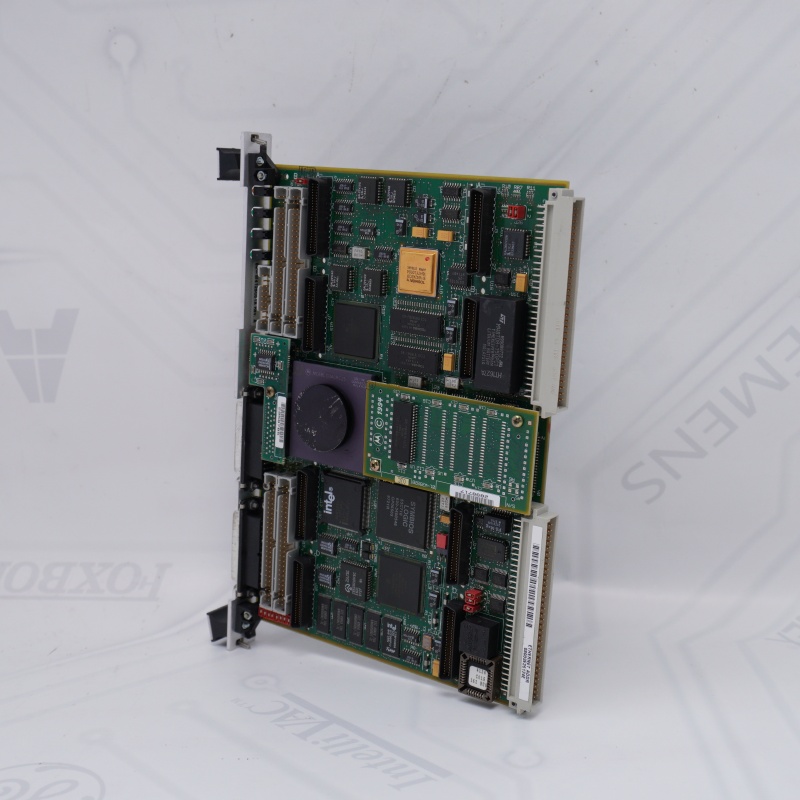
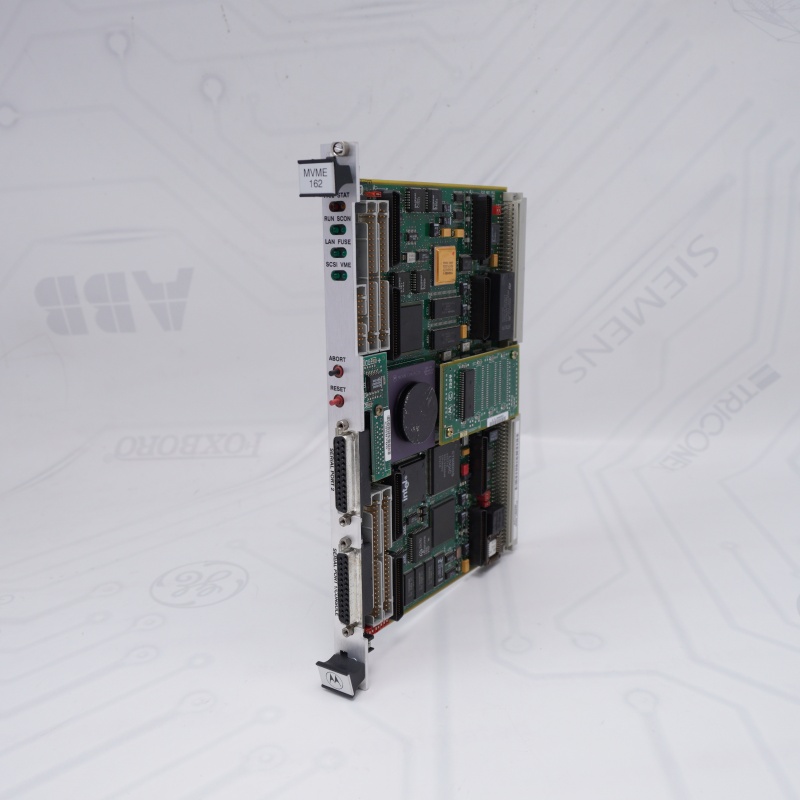
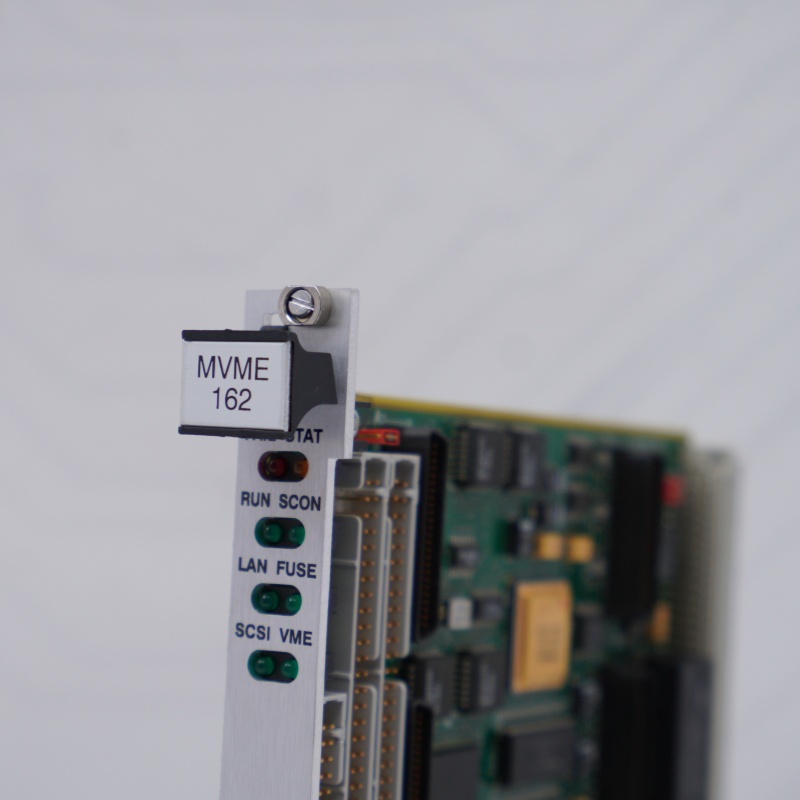
MOTOROLA MVME162-433 Specifications
| Product Type | VMEbus Single Board Computer (SBC) | CPU | Motorola MC68040 32-bit Microprocessor |
| CPU Clock | 33 MHz (typical for -433 configuration) | Bus Architecture | VMEbus (VME64 compatible) |
| Memory | DRAM on-board (expandable, configuration dependent) | ROM/Flash | EPROM/Flash Boot Memory support |
| Ethernet | 10BaseT Ethernet (optional/variant dependent) | Real-Time Support | Hardware watchdog timer & real-time clock |
| Operating System | VxWorks / OS-9 / pSOS+ compatible | Application | Industrial automation, power systems, transportation control, legacy embedded systems |
MOTOROLA MVME162-433 Features And Image
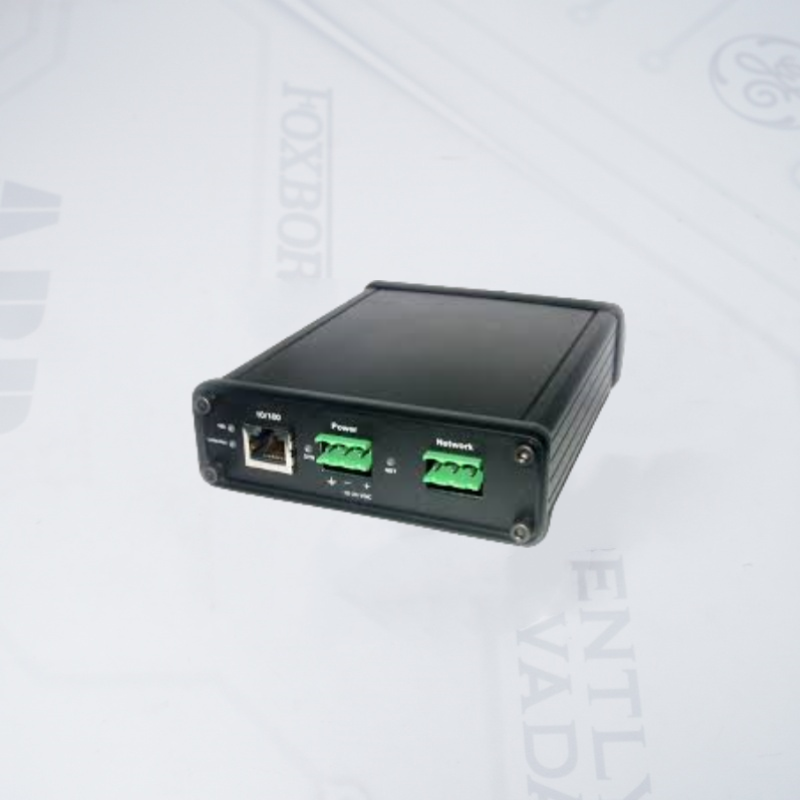
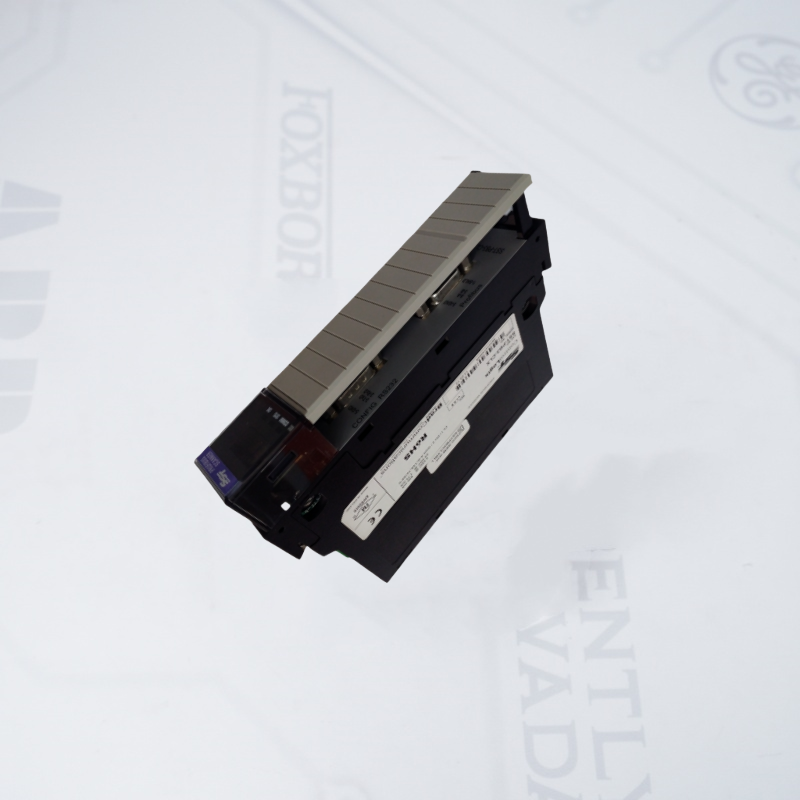
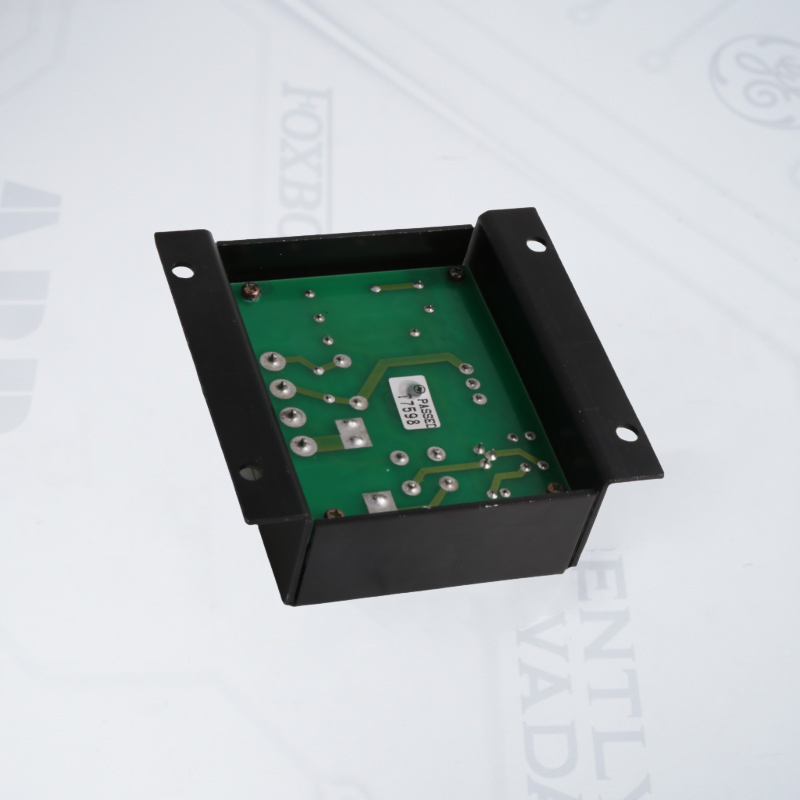
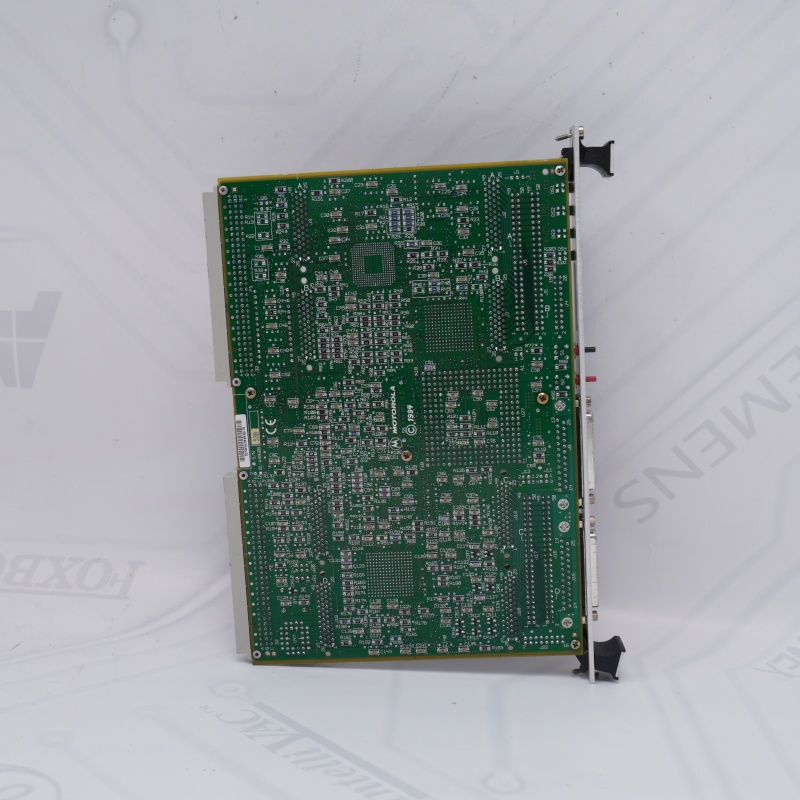
| MOTOROLA MVME162-433 (MOTOROLA MVME162-433)VMEbus Single Board Computer (SBC) designed for high-reliability industrial embedded control systems | 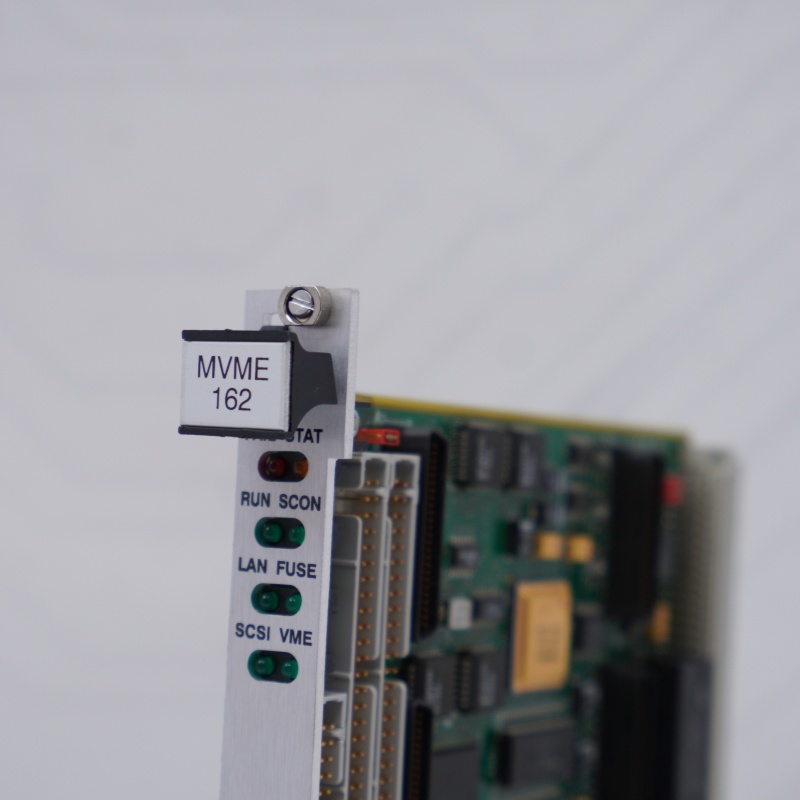 |
| Based on Motorola MC68040 processor architecture, MOTOROLA MVME162-433 deliver stable 32-bit computing performance for real-time applications | |
| MOTOROLA MVME162-433 supports VMEbus backplane integration and MOTOROLA MVME162-433 enable flexible system expansion and multi-board configurations | |
| Configurable memory architecture on MOTOROLA MVME162-433, supporting system-dependent DRAM and boot ROM/Flash options | 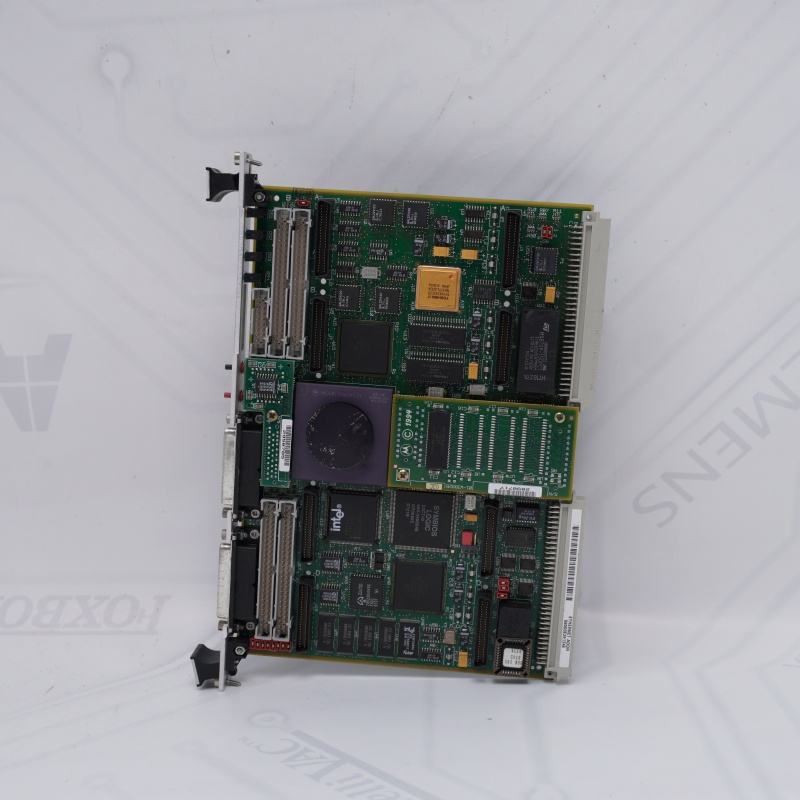 |
| MOTOROLA MVME162-433 built-in watchdog timer and real-time clock for deterministic control and system reliability | |
| Widely deployed MOTOROLA MVME162-433 VME controller board in power generation, transportation, petrochemical, and legacy automation systems |
Frequently Asked Question
What architectural paradigm underpins the computational framework of MOTOROLA VMEbus Embedded Processor within the VMEbus single-board ecosystem?
The MOTOROLA MVME162-433 is architected around the embedded Motorola 68k-family CPU core (commonly MC68040 or variant-dependent configuration), leveraging a tightly coupled VMEbus-compatible modular computing paradigm optimized for deterministic industrial and mission-critical workloads.
How does MOTOROLA VMEbus Embedded Processor implement memory hierarchy optimization and what implications does this have for real-time deterministic performance?
The MOTOROLA MVME162-433 typically integrates a multi-tier memory subsystem consisting of DRAM, EPROM/Flash firmware storage, and cache-coherent CPU-local memory structures, enabling reduced latency access patterns and improved predictability in real-time execution environments.
In what manner does MOTOROLA VMEbus Embedded Processor facilitate VMEbus protocol arbitration and multi-node bus contention resolution?
The MVME162-433 VMEbus Embedded Processor employs VMEbus master/slave arbitration logic compliant with VME64 signaling conventions, supporting prioritized interrupt handling and distributed bus mastering to mitigate contention in multi-processor backplane topologies.
How is interrupt latency minimized in MVME162-433 VMEbus Embedded Processor, and what interrupt architecture does it employ?
The MOTOROLA MVME162-433(MOTOROLA VMEbus Embedded Processor) utilizes vectored interrupt mechanisms with programmable interrupt controllers, enabling low-latency deterministic response through prioritized interrupt vector mapping and hardware-assisted context switching.
Other Related Modules
| KJ3221X1-BA1 12P2531X102 | A6740-10 |
| KJ3222X1-BA1 12P2532X072 | FX61C |
| KJ2003X1-BB1 12P3439X012 | KJ2101X1-BA 12P2690X012 |
| KJ3241X1-BA1 12P2506X042 VE4006P2 | 12P0631X012 |
| KJ3102X1-BA1 12P1863X032 | KJ1501X1-BB1 12P0678X032 |
| MC-PAIH03 51304754-150 | MVME162-433 VMEbus Embedded Processor |
| 1771-P4S1 | 1336-BDB-SP34D 77101-169-64 |
Mobile/what's app: +852 6980 6006
Email: sales@sparecenter.com